Poison Ivy Removal in Honolulu, HI
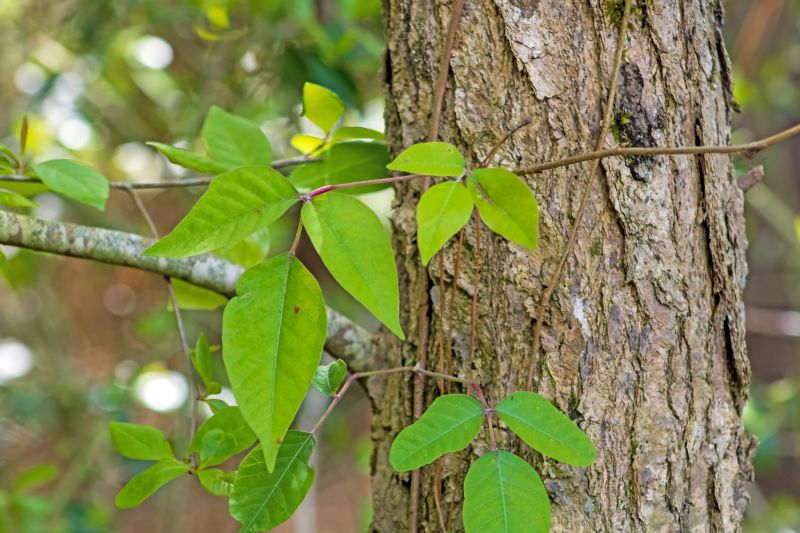
Poison ivy removal services are designed to safely eliminate this common and potentially harmful plant from residential properties. These services typically involve identifying and carefully removing poison ivy, along with any root systems, to prevent regrowth. Projects may include clearing overgrown areas, garden beds, fences, or tree lines where poison ivy has taken hold. Property owners often seek this service to protect children, pets, and themselves from skin irritation or allergic reactions caused by contact with the plant.
Before requesting poison ivy removal, property owners usually want to understand the extent of the growth and the best methods for removal to ensure safety and effectiveness. It’s also helpful to know whether the removal will include disposal of the plant material and if any follow-up treatments are recommended to prevent future growth. Clear communication about the scope of work and any safety precautions can help ensure the process is handled efficiently and thoroughly.
Many property owners in Honolulu, HI look into Poison Ivy Removal for repairs, replacements, upgrades, and appearance-related improvements.
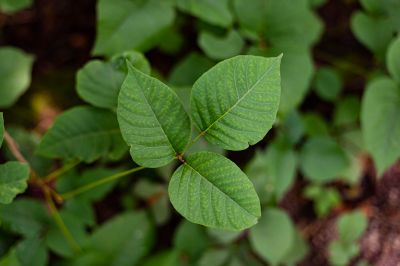
Identifying Poison Ivy
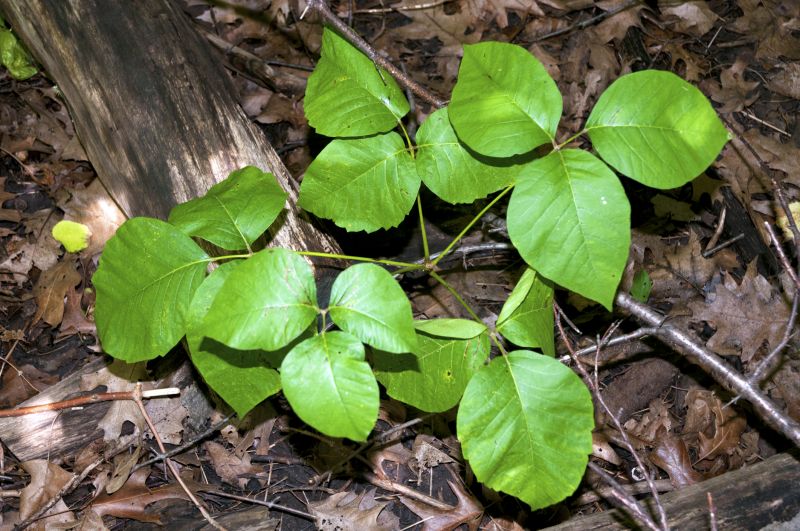
Learn how to recognize the signs of poison ivy growth on your property.
Safe Removal Techniques
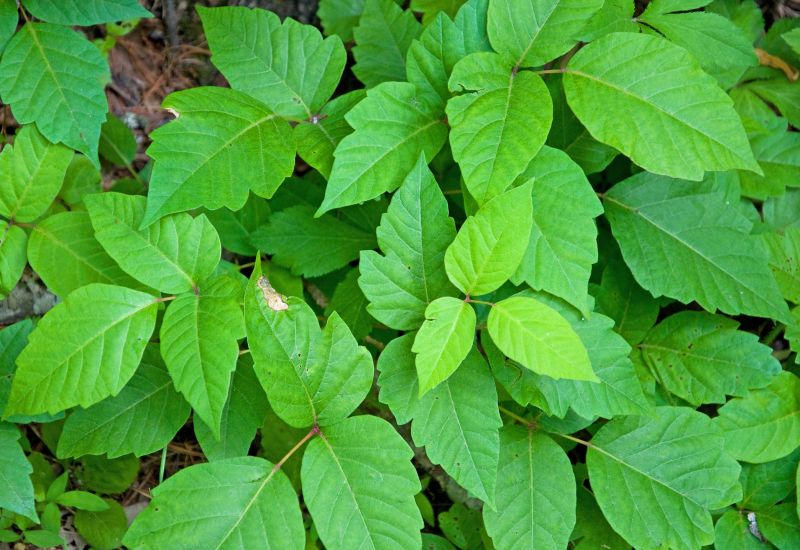
Professional removal ensures safe elimination of poison ivy without damage to your landscape.
Preventing Future Growth
Strategies to reduce the chances of poison ivy returning to your yard or garden.
Poison Ivy Removal in Honolulu, HI

Poison ivy removal services are designed to safely eliminate this common and potentially harmful plant from residential properties. These services typically involve identifying and carefully removing poison ivy, along with any root systems, to prevent regrowth. Projects may include clearing overgrown areas, garden beds, fences, or tree lines where poison ivy has taken hold. Property owners often seek this service to protect children, pets, and themselves from skin irritation or allergic reactions caused by contact with the plant.
Before requesting poison ivy removal, property owners usually want to understand the extent of the growth and the best methods for removal to ensure safety and effectiveness. It’s also helpful to know whether the removal will include disposal of the plant material and if any follow-up treatments are recommended to prevent future growth. Clear communication about the scope of work and any safety precautions can help ensure the process is handled efficiently and thoroughly.
Many property owners in Honolulu, HI look into Poison Ivy Removal for repairs, replacements, upgrades, and appearance-related improvements.
Common Poison Ivy Removal Jobs
Poison Ivy Removal Services - professional removal of invasive poison ivy from residential and commercial properties.
Landscape Clearing - safely removing poison ivy from yard, garden, or lawn areas.
Tree and Shrub Trimming - eliminating poison ivy growing on trees or shrubbery.
Fence Line Clearing - clearing poison ivy along property boundaries and fences.
Play Area Cleanup - ensuring safe outdoor spaces free of poison ivy for children and pets.
Property Maintenance - ongoing removal to prevent poison ivy from re-establishing.
Poison Ivy Removal Questions
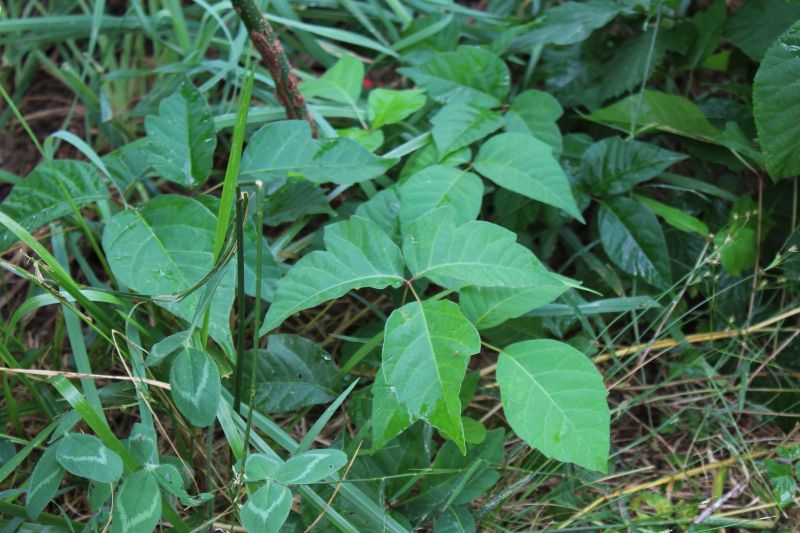
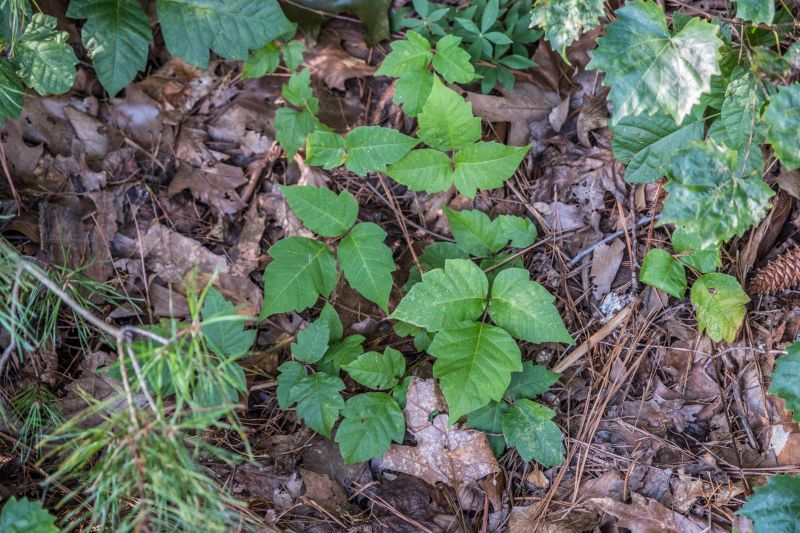
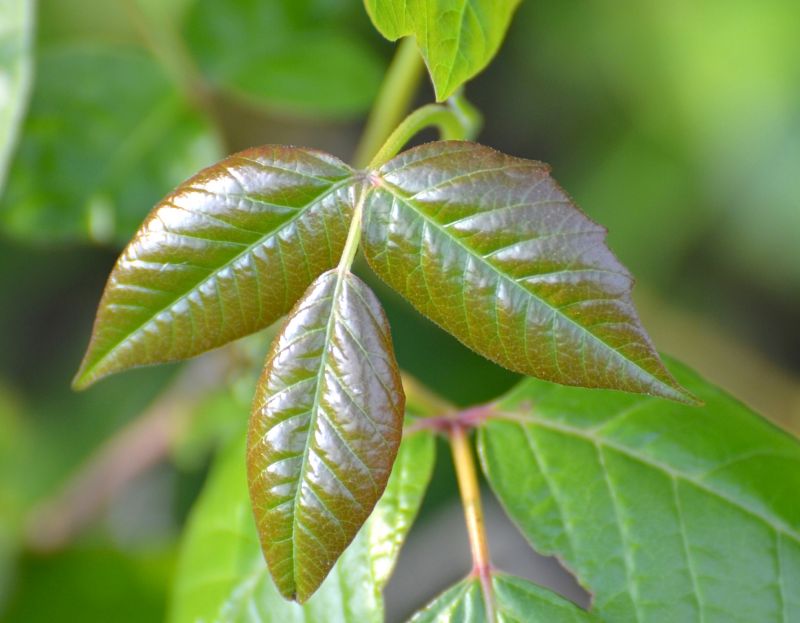
What is poison ivy removal? Poison ivy removal involves safely eliminating the plant from residential or commercial properties to prevent skin irritation and environmental spread.
When should poison ivy be removed? Removal is recommended when the plant is actively growing, especially in areas frequented by people or pets, to reduce exposure risk.
Are there safety concerns during removal? Yes, proper protection is essential to avoid skin contact with the plant's urushiol oil, which causes allergic reactions.
What types of properties typically need poison ivy removal? Properties with landscaped yards, gardens, or outdoor recreational areas often require removal to maintain safety and aesthetics.
Request Poison Ivy Removal in Honolulu, HI
Use the quote form on this page to share the basics of your project and request more information for the type of work you need.